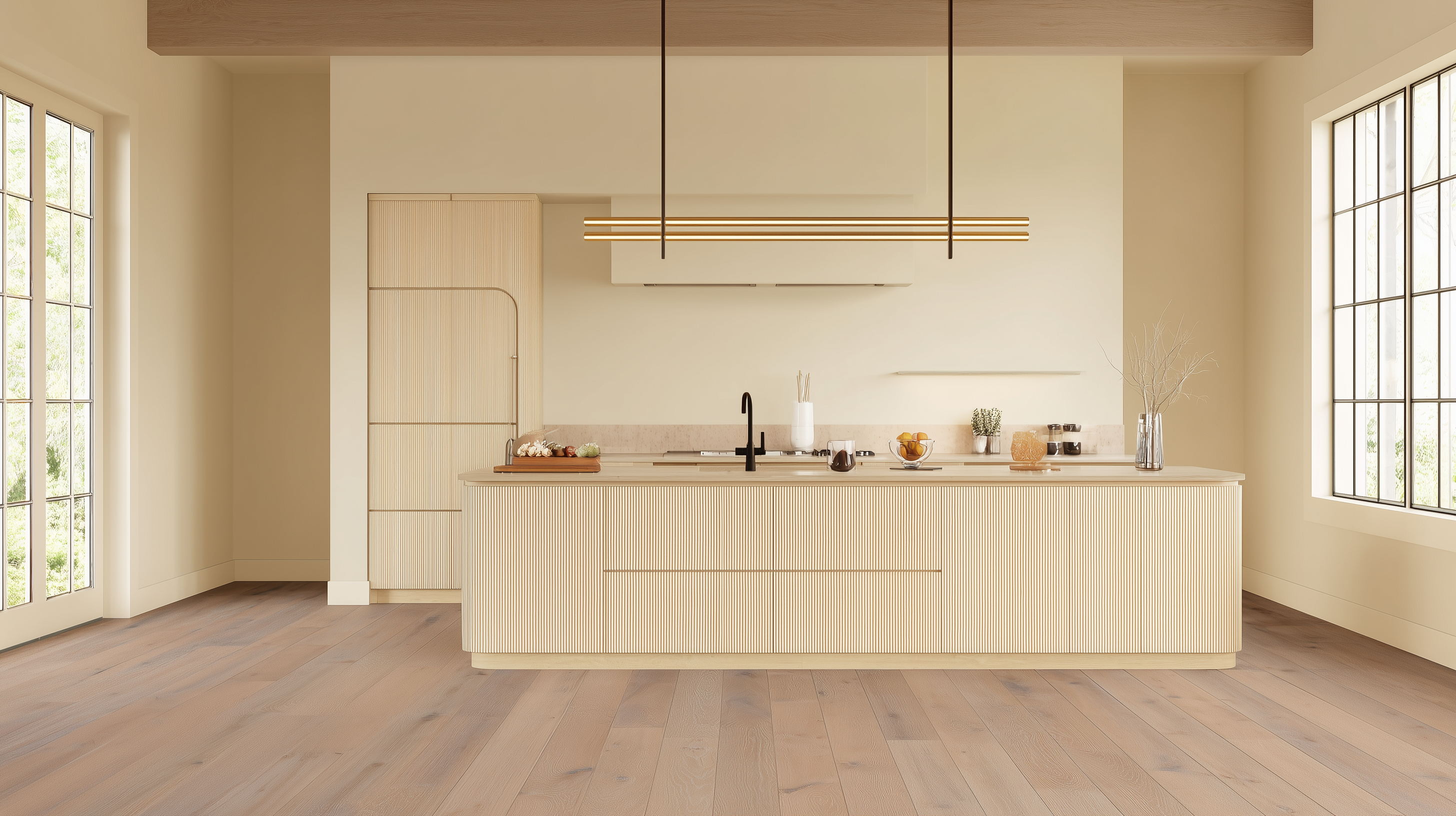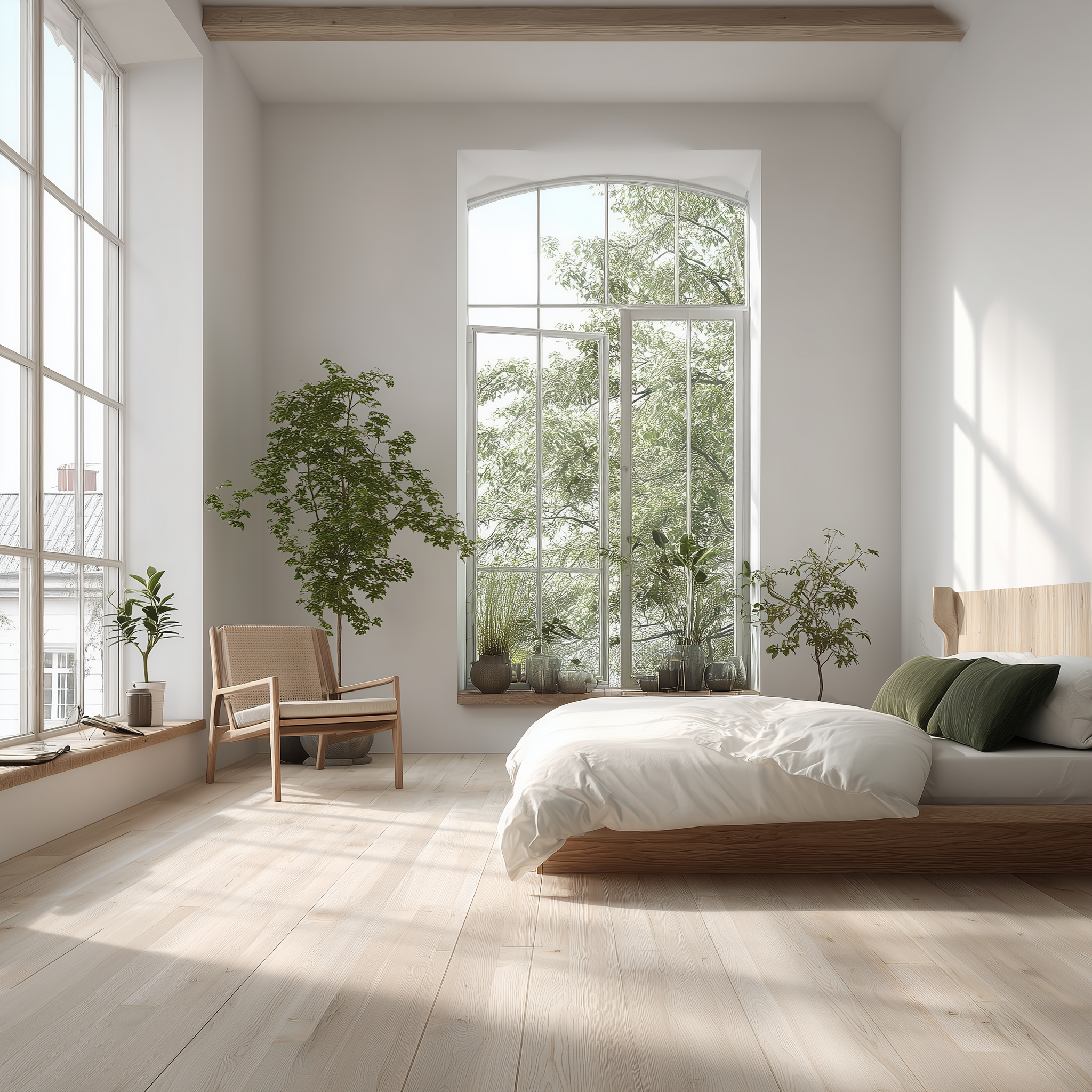
Click-Lock Solid Hardwood Flooring: The Easiest Way to Upgrade Your Home
Click-lock solid oak flooring is a game-changer for DIYers, offering an easy-to-install hardwood floor without the need for nails or glue. This guide explains how click-lock technology works, making installation fast and hassle-free. Learn about the benefits of solid oak, including durability, timeless beauty, and long-lasting performance. Discover expert tips on preparing your subfloor, ensuring proper plank alignment, and maintaining your new hardwood floors. Whether you’re upgrading your home or tackling your first flooring project, click-lock solid oak flooring provides a professional finish with minimal effort. Enjoy the warmth and elegance of real hardwood with a DIY-friendly installation method!

Click-lock hardwood flooring changed the game for homeowners and DIYers alike. No nails. No glue. No mess. Just beautifully interlocking planks that float securely in place, delivering the same timeless charm as traditional wood floors, without the complicated installation.
Originally designed for laminate and engineered materials, click-lock systems are now making waves in the solid hardwood world. And Easiklip takes it even further with a patented aluminum clip system that lets you lay down premium solid oak flooring faster, cleaner, and more affordably.
Let's explore how it works, the options available, and why it might just be the smartest way to install hardwood flooring today.
Why Homeowners Love Snap-Together Floors
Click-lock hardwood flooring has become popular as it is user-friendly and easier to work with. Here are some reasons to choose this type of wood flooring over others.
Install Hardwood Flooring Quickly and Easily
Installing any solid hardwood floor requires a bit of experience and know-how. But a click-lock type hardwood floor is DIY-friendly. The wood floorboards fit together snugly and are correctly aligned, which will save you time that otherwise you would be spending on spacing hardwood floor gaps. For a deeper look at the process, check out these top 5 tips for a smooth DIY hardwood floor installation.
You Don't Need Nails or Glue
As we mentioned above, most snap-together hardwood floors are floating floors. That means no glue or nails and a simpler installation process. Thinner flooring like laminates does require glue because they don't have the weight or bulk of solid hardwood flooring to keep them from moving.
Another advantage of floating hardwood floors is that they can expand and contract naturally through the various seasons. Permanent thinner/lower quality wood flooring can buckle or warp during high or low humidity conditions because they can't move.
Real Hardwood Floating Floors are More Affordable
Hardwood floating floors can save you money both in labor and materials. Whether you pay an installer to do it or lay it yourself, click-lock hardwood floors install much faster. With permanent solid hardwood flooring, you have the extra expense of equipment, fasteners, adhesive, or all three. Additionally, each wood floor plank takes longer to install. If you want to understand what DIY vs. professional installation really costs, there's a full breakdown worth reading before you decide.
The main reason why people opted for permanent installation was to get solid hardwood. That's not the case anymore, as Easiklip offers solid hardwood white oak flooring that clips together. It's both affordable and DIY-friendly.
Another advantage of a hardwood floating floor is that it's much easier to disassemble for localized repair or if you want to move the entire hardwood floor to a new location. You unclip it and take it with you.
Install Over Your Existing Hardwood Floor
A floating, clip-together solid hardwood floor installs over almost any floor. If you plan to install a hardwood floor over an unlevel or uneven surface, this article will help you level the hardwood floor before installing the new one.
For best results, use an appropriate floor underlayment. Floor underlayment can be a moisture barrier to prevent moisture from wicking up if you install it over concrete. It is good soundproofing for installing on higher floors, too.

Types of Interlocking Hardwood Flooring
When we mention interlocking, click-lock, or snap-together hardwood flooring, we're referring to the installation method, not the rubber mats you find at the gym. The three primary materials for home click-lock flooring are vinyl, engineered, and solid hardwood.
Let's look at the properties of each type of flooring.
Vinyl & Laminate Flooring
Vinyl is a 100% synthetic material. Typically, the core is fiberglass, and the top layer is vinyl imprinted with an image of wood to resemble the look of a wood floor.
The built-in click-lock system makes it easy to install and economical for high-traffic areas. It's water-proof, making it a good choice for mudrooms, daycare centers, and below-grade such as basements.
Laminate flooring is similar to vinyl, except the core is usually constructed using wood by-products, medium-density fiberboard (MDF), or high-density fiberboard (HDF). Laminate flooring, like vinyl, uses a hard, transparent plastic wear layer that protects the simulated wood design layer.
Engineered Hardwood Flooring
Engineered hardwood flooring is as close to the look of genuine hardwood as you can get. Its construction consists of a thin veneer of real hardwood mounted on a core. The core is typically plywood, particleboard, or a synthetic compound.
Engineered hardwood flooring is usually less expensive than solid hardwood flooring and easier to install with the click-lock system. For a closer look at where the real cost differences lie, see this solid vs. engineered cost breakdown.
Solid Hardwood Flooring
Nothing beats the beauty, value and feel of real hardwood flooring.
To compare all three types of flooring, read "Engineered Hardwood vs. Laminate Flooring: Learn the Differences."

Why Easiklip's Clip-Together Flooring Stands Out
With so many hardwood flooring options, why choose solid hardwood flooring? There are at least five excellent reasons why you should put solid hardwood flooring under your feet.
- It's the Best Investment – Nothing adds value to a home better than solid hardwood flooring. Homes with hardwood flooring sell for up to 10% more, and buyers prefer solid hardwood over other flooring options. Curious about the numbers? Read more about hardwood flooring ROI and what it means for your home's resale value.
- Solid Hardwood Flooring is Durable – With a little TLC, a quality hardwood floor can last for generations.
- Real Wood Flooring is Sustainable – Hardwood is a sustainable material, unlike petroleum-based vinyl flooring or adhesives in engineered floors.
- It's Beautiful – Solid hardwood flooring retain their beauty for decades and is easy to maintain.
- Always in Style – Hardwood flooring is timeless. It looks great with any décor or style.
The added advantage of a clip-together solid hardwood floor is there is no mess or fumes from adhesives. Installation times are reduced by as much as 30% since there is no glue or nails to slow you down.
4 Steps to Installing Easiklip Solid Hardwood
Easiklip solid hardwood flooring installs using patented aluminum clips that hold each plank firmly to the next.
It's an easy 4-step procedure.
Step 1 – Lay down an underlayment of plastic sheets.
Step 2 – Install the flooring underlayment.
Step 3 – Attach clips to the first row of boards and set them in place, beginning in the right-hand corner of the room.
Step 4 – Install the next row, ensuring that each wood floorboard "clicks" into the clips.
To see how easy it is and all the installation details, check out the video, "How to Install Solid Hardwood Flooring by Easiklip."
What Does Easy Installation Save You? A Cost Breakdown
The biggest benefit of a DIY-friendly click system isn't just convenience; it's the money you keep in your pocket. When you factor in labor, tools, and materials, the savings from installing hardwood yourself can be substantial.
Professional Installation Labor Costs
Professional hardwood installation typically runs $3–$8 per square foot in labor alone, and that's before materials. On a 500 sqft project, you're looking at $1,500 to $4,000 just for the installer's time. Larger homes can push that number well past $6,000.
That cost covers the installer's expertise, but with a click-in system like Easiklip's, most homeowners with basic DIY confidence can achieve the same result themselves. For a full side-by-side comparison, see what DIY vs. professional installation really costs.
Tools You Won't Need to Rent or Buy
Traditional nail-down hardwood installation requires specialized equipment that adds up quickly:
- Floor nailer rental: $50–$75 per day (and nail-down jobs rarely finish in a single day)
- Adhesive for glue-down installations: $1–$2 per square foot, or $500–$1,000 for a 500 sqft room
- Specialty trowels, mallets, and layout tools you may never use again
Easiklip's clip system needs none of that. The patented aluminum clips come with your order, and the only tools required are ones most homeowners already own — a miter saw, a tape measure, and a rubber mallet. There are no rental counters, no adhesive fumes, and no messy cleanup.
Total Savings Estimate for a 500 sqft Room
Adding it all together, here's what a typical 500 sqft installation comparison looks like:
| Cost Category | Professional Nail-Down | Easiklip DIY |
|---|---|---|
| Labor | $1,500–$4,000 | $0 |
| Nailer rental | $50–$150 | $0 |
| Adhesive / fasteners | $200–$500 | $0 (clips included) |
| Total savings | — | $2,000–$5,000+ |
These are conservative estimates; real-world savings can be higher depending on your market and the complexity of your layout. It's also worth being aware of the hidden costs most people miss when budgeting a hardwood floor project, regardless of installation method.
Making the Most of Your Budget
Saving on installation doesn't mean cutting corners on quality. In fact, redirecting that $2,000–$5,000 in labor savings toward premium solid oak flooring is exactly how homeowners get a better result for the same total budget. For more strategies, read our guide on more tips for saving money on hardwood without sacrificing quality.
Ready to see your options? Explore the Collection and find the solid oak flooring that fits your space and budget.

Conclusion
Click-lock hardwood flooring gives you the best of both worlds: the warmth and beauty of natural wood, with a streamlined installation that saves time, money, and mess. Easiklip takes this one step further by offering a true solid hardwood option that doesn't skimp on quality or durability, and you can install it yourself with minimal tools and zero adhesives.
Whether you're outfitting a single room or your entire home, Easiklip's system makes solid hardwood more accessible than ever.
Before you start, it's worth understanding the full cost picture. Our cost guides walk through what DIY vs. professional installation really costs, the solid vs. engineered cost breakdown, and the hidden costs most people miss, so you can plan confidently and avoid surprises.
Want to see just how easy it is?
Explore the full Easiklip installation process and watch the video here:
👉 https://easiklip.com/pages/floating-hardwood-floor-installation
Or browse our prefinished solid oak options now:
👉 https://easiklip.com/collections/solid-hardwood-flooring